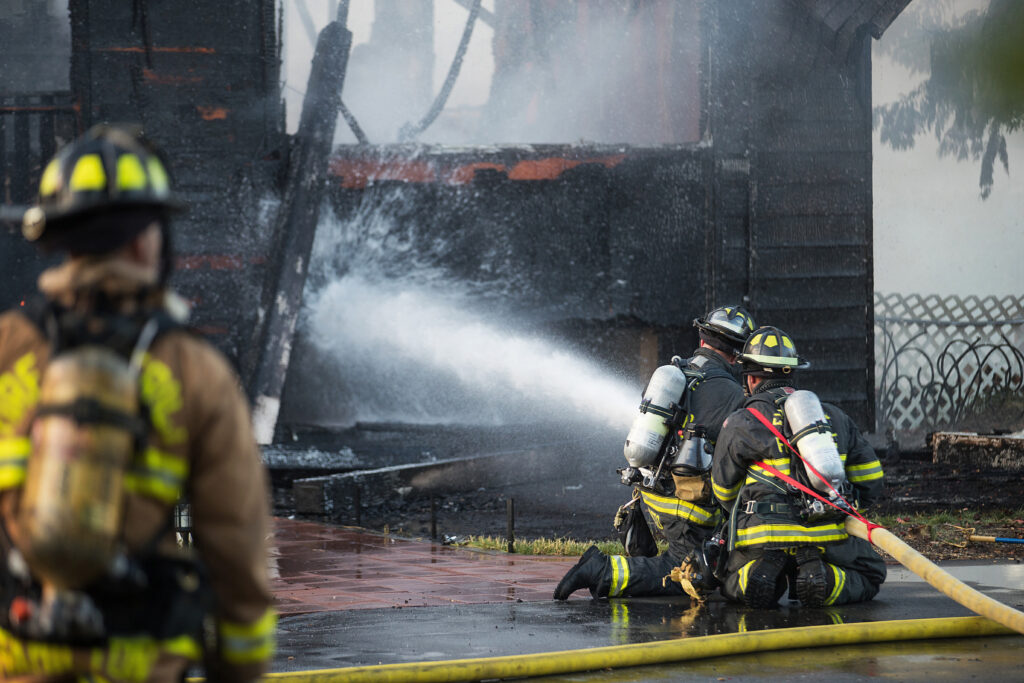
Emergency Water & Fire Damage Restoration in Pensacola, FL
Serving Pensacola, Escambia County, Perdido Key, Gulf Breeze, Santa Rosa County, Orange Beach, and Baldwin County, Alabama
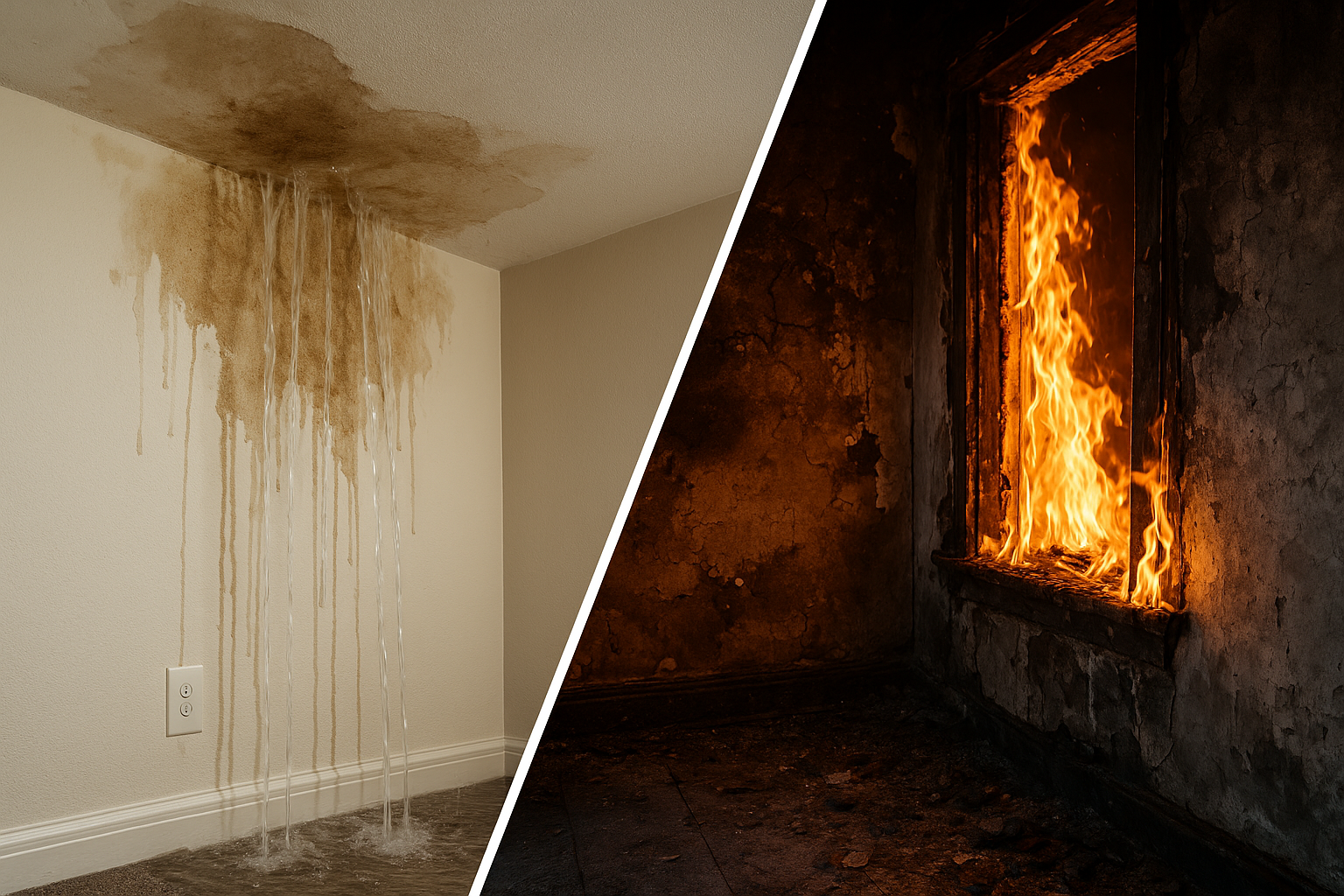
Emergency Water & Fire Damage Education for Pensacola Property Owners
Clear, local guidance on what to do after water or fire damage in Pensacola, Escambia County, Perdido Key, Gulf Breeze, Santa Rosa County, Orange Beach, and Baldwin County, Alabama —focused on safety, damage control, and professional restoration standards.
Water Damage Response Guidance
We provide educational resources explaining how water damage impacts homes and commercial buildings in Pensacola, including burst pipes, roof leaks, HVAC failures, and storm-related flooding. Visitors can learn how quickly moisture spreads, how structural drying works, and when professional extraction is necessary to prevent long-term damage and mold growth.
Fire & Smoke Damage Education
Fire damage extends far beyond visible burn marks. This site explains how smoke, soot, and odor move through walls, HVAC systems, and soft contents. Learn what immediate steps to take after a fire, what to avoid, and how certified restoration professionals clean, deodorize, and stabilize fire-damaged structures.
Mold Risk After Water or Fire Events
High humidity in Northwest Florida causes mold to develop quickly after water damage or firefighting efforts. Our educational materials explain mold growth timelines, health risks, surface vs. hidden contamination, and when professional remediation is required to return a structure to safe indoor air quality standards.
Storm & Hurricane Damage Information
Pensacola properties face unique risks from hurricanes, tropical storms, and wind-driven rain. This site explains how storms cause hidden water intrusion, roof failures, and structural saturation, along with what steps property owners should take before and after a storm to reduce damage severity.
Insurance & Property Damage Claims Overview
Understanding the insurance process is often one of the most stressful parts of a damage event. We provide general information about documenting loss, communicating with adjusters, and understanding how professional restoration supports claim resolution.
Trust Positioning Statement
This website serves as an independent educational resource for property owners seeking clear, local guidance on water and fire damage emergencies in the Pensacola area. All professional services referenced are performed by certified restoration providers serving Northwest Florida.
Water Damage Emergency Guidance for Pensacola Property Owners
Educational resources to help residents and businesses in Pensacola, Escambia County, Perdido Key, Gulf Breeze, Santa Rosa County, Orange Beach, and Baldwin County, Alabama understand water damage risks, emergency response, and professional restoration standards.
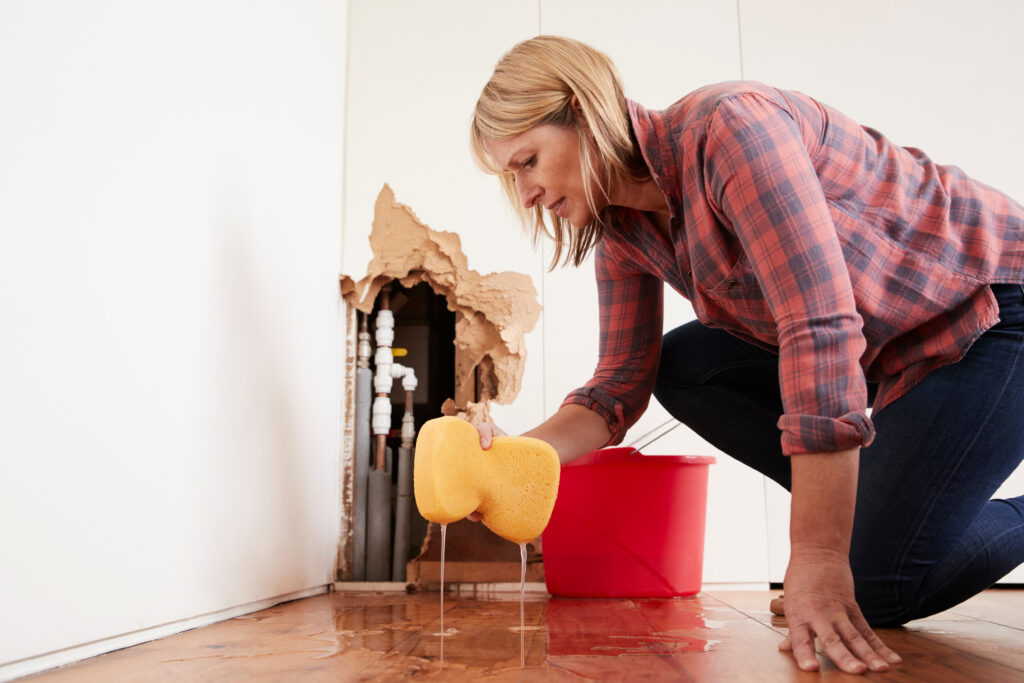
Water damage can occur suddenly from burst pipes, storm flooding, roof leaks, HVAC failures, and appliance malfunctions. In Northwest Florida’s humid climate, water spreads rapidly through flooring, drywall, insulation, and structural materials. This page provides clear, locally relevant information to help property owners understand what happens after water intrusion and when professional drying is required to prevent long-term damage and mold growth.
Typical Sources of Water Damage in the Pensacola Region
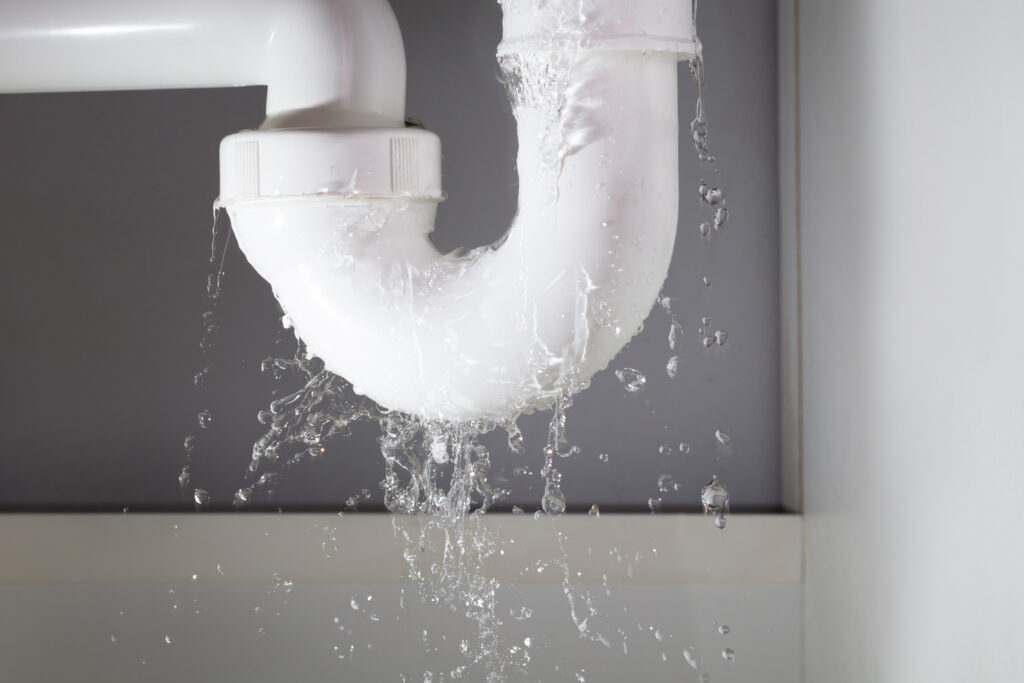
Water damage throughout Pensacola, Escambia County, Perdido Key, Gulf Breeze, Santa Rosa County, Orange Beach, and Baldwin County, Alabama is often caused by a combination of aging infrastructure, coastal weather patterns, and year-round humidity. The most common sources include:
- Broken or leaking supply lines
- Roof leaks from wind-driven rain
- HVAC system condensation and overflow
- Water heater failures
- Washing machine and dishwasher hose failures
- Slab leaks and under-slab plumbing issues
- Hurricane and tropical storm flooding
- Drain backups and sewer overflows
Immediate Steps After Water Damage
The first 24 hours after water intrusion are critical. Delays increase structural damage and the likelihood of mold growth.
Step 1 – Ensure Safety
If standing water is present, avoid electrical hazards. Shut off power if necessary and do not enter flooded areas where wiring may be submerged.
Step 2 – Stop the Water Source
Shut off the main water supply if a plumbing failure is suspected. If storm-related, limit additional exposure where possible.
Step 3 – Prevent Secondary Damage
Remove small personal items from wet areas. Avoid running household fans that may spread moisture into wall cavities.
Step 4 – Document Visible Damage
Photos and basic notes can assist during professional evaluation and insurance documentation.
Step 5 – Contact a Qualified Water Damage Professional
Professional extraction and structural drying should begin as quickly as possible to prevent permanent material damage and microbial growth.
How Water Is Removed and Structures Are Dried
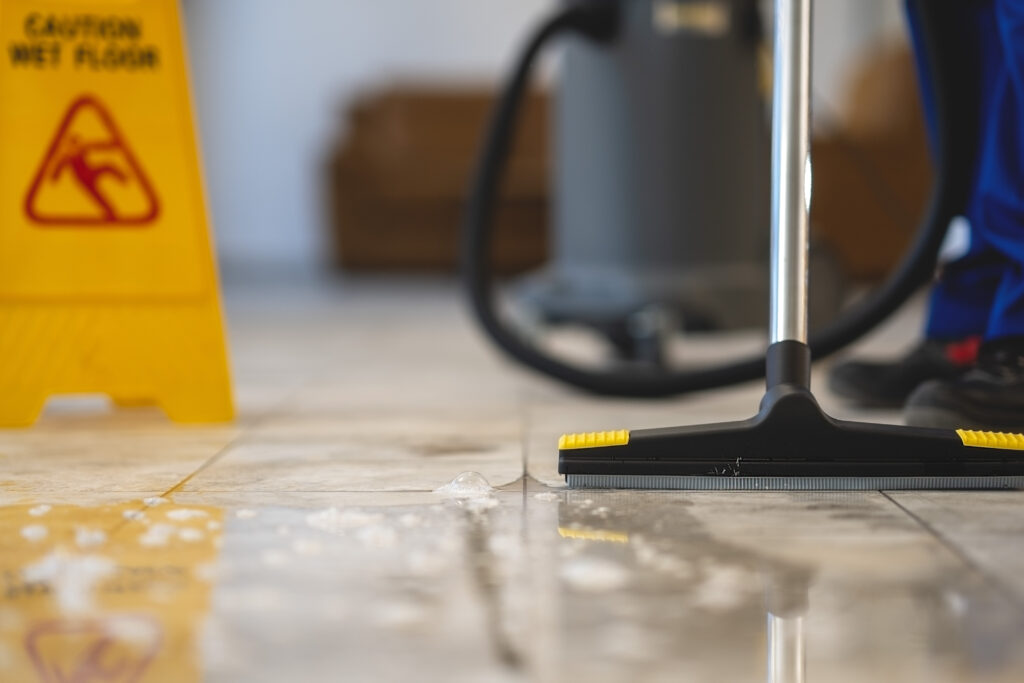
Professional water damage restoration involves significantly more than removing visible water. The drying process typically includes:
- High-powered extraction from flooring and subfloors
- Strategic placement of air movers to control evaporation
- Commercial dehumidifiers to remove moisture from the air
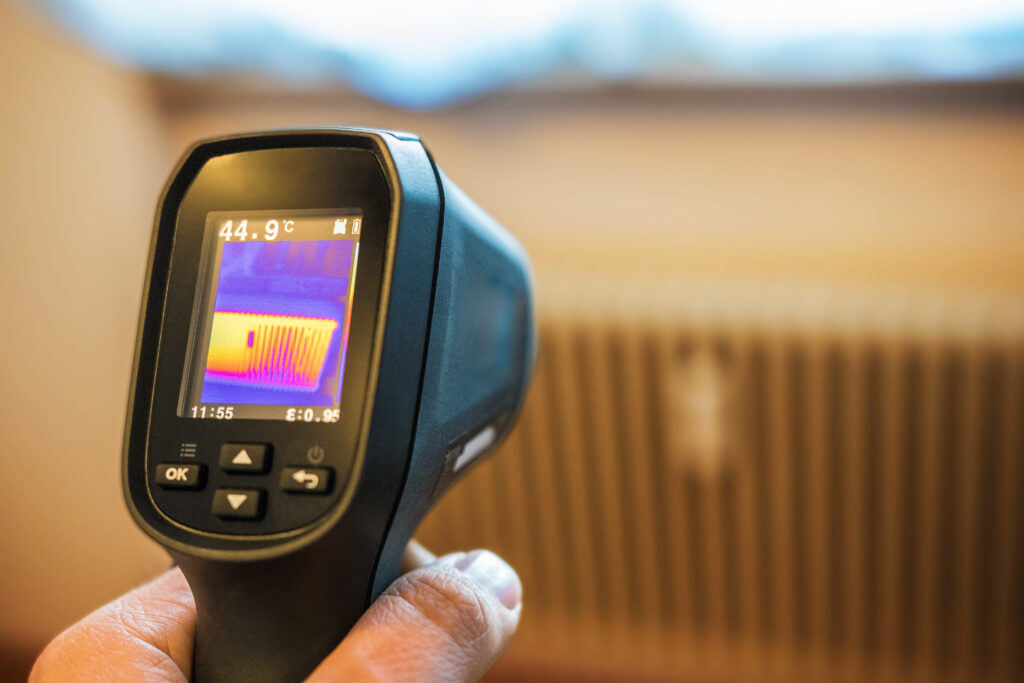
- Moisture mapping using thermal imaging and non-invasive meters
- Controlled drying of wall cavities and structural materials
Improper drying can trap moisture inside walls and under flooring, leading to long-term odors, material deterioration, and microbial growth.
Why Mold Develops So Quickly After Water Damage
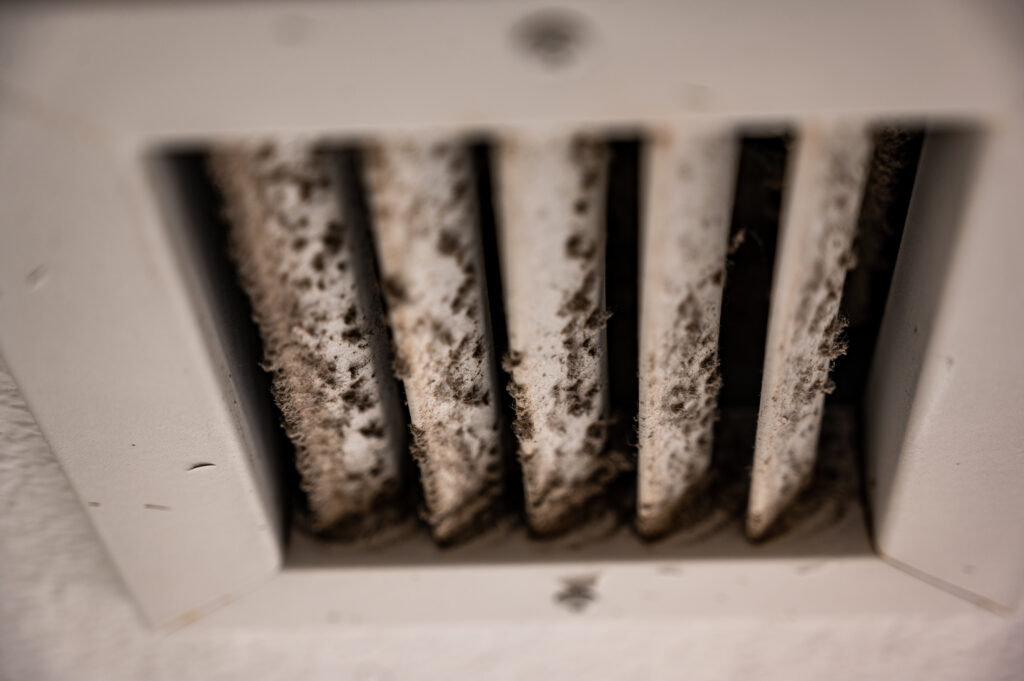
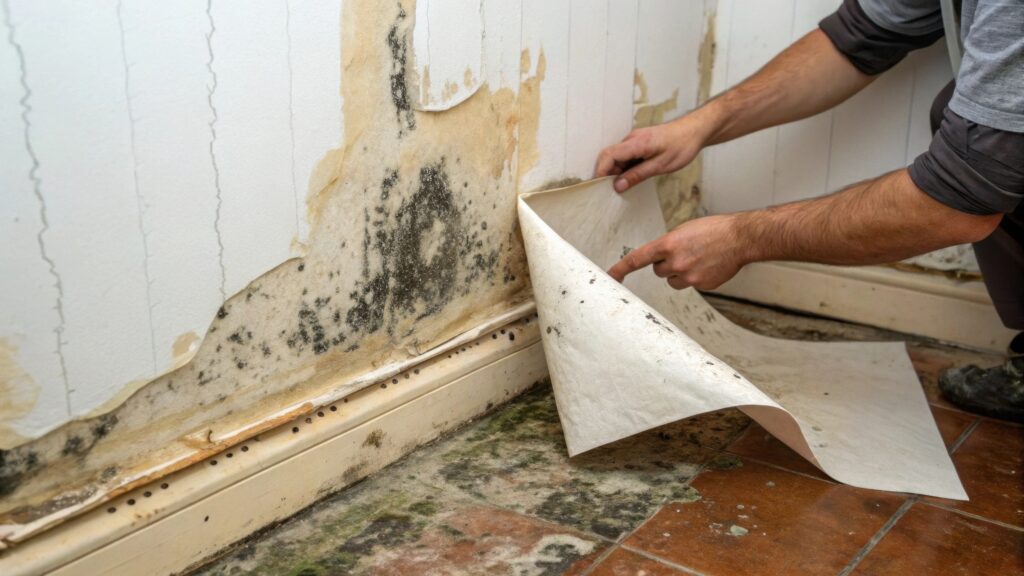
In Pensacola, Escambia County, Perdido Key, Gulf Breeze, Santa Rosa County, Orange Beach, and Baldwin County, Alabama, mold can begin developing within 24–48 hours after a water loss. Even when surfaces appear dry, moisture may remain inside insulation, framing, and subflooring.
Common hidden mold risks include:
- Deterioration of drywall and framing
- Persistent odor development after drying
- Compromised indoor air quality
- Respiratory irritation for sensitive individuals
Professional drying and post-drying inspection are the most reliable ways to ensure moisture has been fully removed from the structure.
Understanding Water Damage Insurance Claims
Most property insurance policies cover accidental water damage, though coverage varies depending on the source of the loss. Professional restoration providers typically assist with:
- Moisture documentation and drying records
- Daily equipment monitoring logs
- Damage categorization (clean, gray, or contaminated water)
- Supporting documentation for claim processing
Property owners are generally advised not to discard damaged materials until documentation is completed.
When Professional Water Damage Restoration Is Necessary
Any water intrusion affecting structural materials, flooring, cabinetry, or multiple rooms should be evaluated by a certified water damage restoration provider. Professional restoration significantly reduces the risk of permanent damage, persistent odor issues, and future mold contamination.
Educational Trust Statement
This website provides independent educational water damage guidance for property owners throughout Pensacola, Escambia County, Perdido Key, Gulf Breeze, Santa Rosa County, Orange Beach, and Baldwin County, Alabama. When professional services are required, assistance should be performed by trained and certified restoration providers serving Northwest Florida.

Fire & Smoke Damage Emergency Guidance for Pensacola Property Owners
Educational resources to help residents and businesses in Pensacola, Escambia County, Perdido Key, Gulf Breeze, Santa Rosa County, Orange Beach, and Baldwin County, Alabama understand fire damage risks, smoke contamination, emergency response, and professional restoration standards.
Fire damage affects far more than what is visible after flames are extinguished. Smoke, soot, heat, and water used for suppression often cause widespread structural and indoor air quality issues. In Northwest Florida, humidity further complicates fire recovery by accelerating corrosion, odor absorption, and secondary mold risk. This page provides clear, locally relevant guidance to help property owners understand what happens after a fire and when professional restoration is necessary.
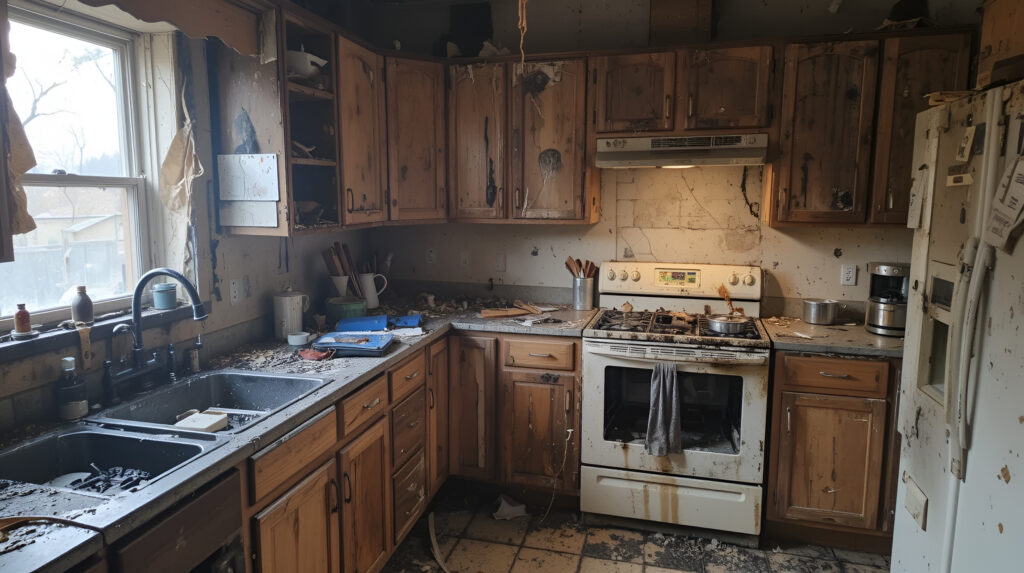
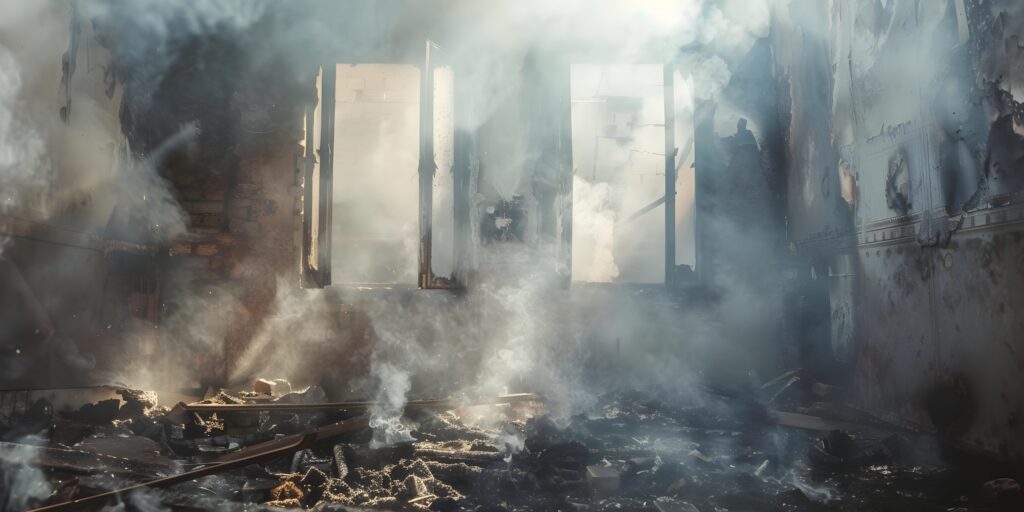
Even small fires can produce extensive smoke migration throughout a structure, contaminating multiple rooms and hidden cavities.
Typical Sources of Fire Damage in the Pensacola Region
Fire and smoke damage throughout Pensacola, Escambia County, Perdido Key, Gulf Breeze, Santa Rosa County, Orange Beach, and Baldwin County, Alabama commonly result from both residential and commercial ignition sources. The most frequent causes include:
- Kitchen or cooking-related fires
- Electrical malfunctions and overloaded circuits
- HVAC system or dryer vent failures
- Candle and open-flame incidents
- Space heater and heating equipment use
- Lightning strikes and storm-related power surges
- Vehicle and garage fires
Immediate Steps After Fire or Smoke Damage
The first 24 hours after a fire are critical for safety, damage containment, and recovery planning.
Step 1 – Ensure Structural Safety
Do not re-enter the structure until cleared by fire officials. Fire may weaken framing, flooring, and load-bearing materials.
Step 2 – Protect Against Secondary Damage
Exposed roof openings, broken windows, and water-soaked interiors should be stabilized quickly to limit further deterioration.
Step 3 – Avoid Disturbing Soot Residue
Dry soot spreads easily and can permanently embed into surfaces if improperly handled.
Step 4 – Document Visible Fire & Smoke Damage
Photographs and basic notes assist with professional evaluation and insurance documentation.
Step 5 – Contact a Qualified Fire Restoration Professional
Certified fire restoration providers address fire debris removal, smoke contamination, water damage from suppression, and full structural cleaning.
How Fire, Smoke, and Soot Damage Are Restored
Professional fire restoration goes well beyond debris removal. The process typically includes:
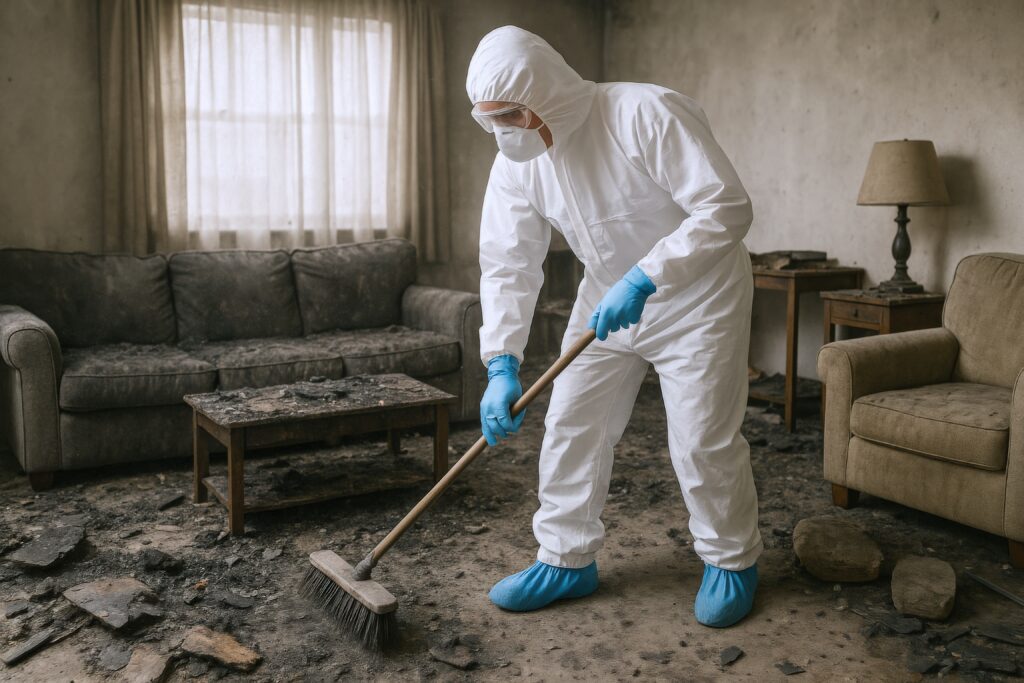
- Structural debris cleanup and damaged material removal
- Specialized soot and smoke residue cleaning
- Deodorization using thermal fogging or hydroxyl technology
- HEPA-filtered air scrubbing and filtration
- Water extraction and drying from firefighting efforts
- Surface sealing and corrosion control
Improper handling of smoke residue often leads to permanent staining, long-term odor issues, and surface degradation.
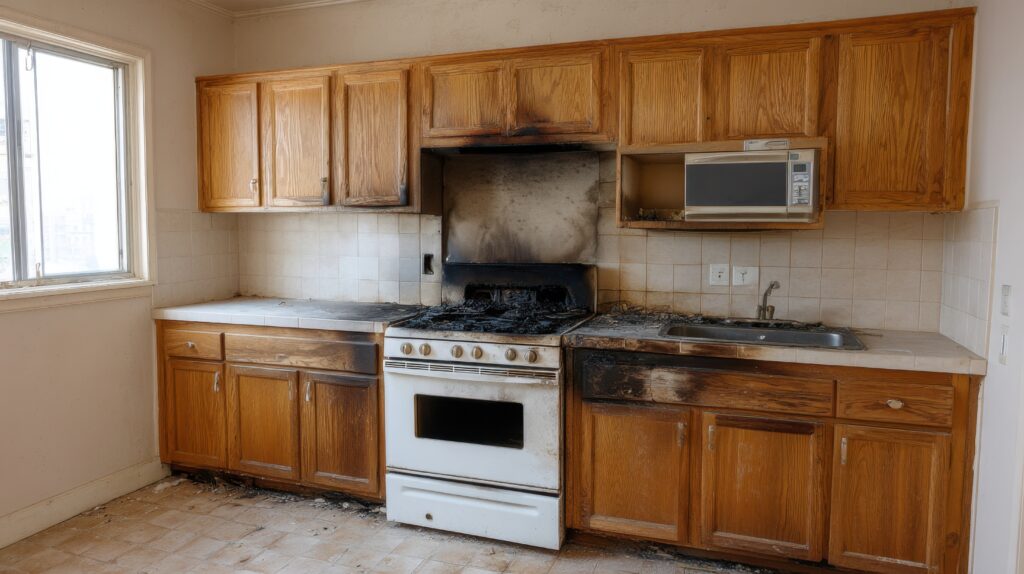
Why Smoke Damage Spreads Beyond the Fire Area
Smoke particles are microscopic and travel rapidly through HVAC systems, wall cavities, attics, and ductwork. In Pensacola, Escambia County, Perdido Key, Gulf Breeze, Santa Rosa County, Orange Beach, and Baldwin County, Alabama, smoke odors often become embedded into porous materials due to humidity.
Common risks of untreated smoke contamination include:
- Persistent odor that returns after cleaning
- Discoloration of walls, ceilings, and contents
- Corrosion of electronics and metal surfaces
- Degraded indoor air quality
- Irritation for individuals with respiratory sensitivity
Professional deodorization targets both surface residues and airborne odor sources trapped inside structural materials.
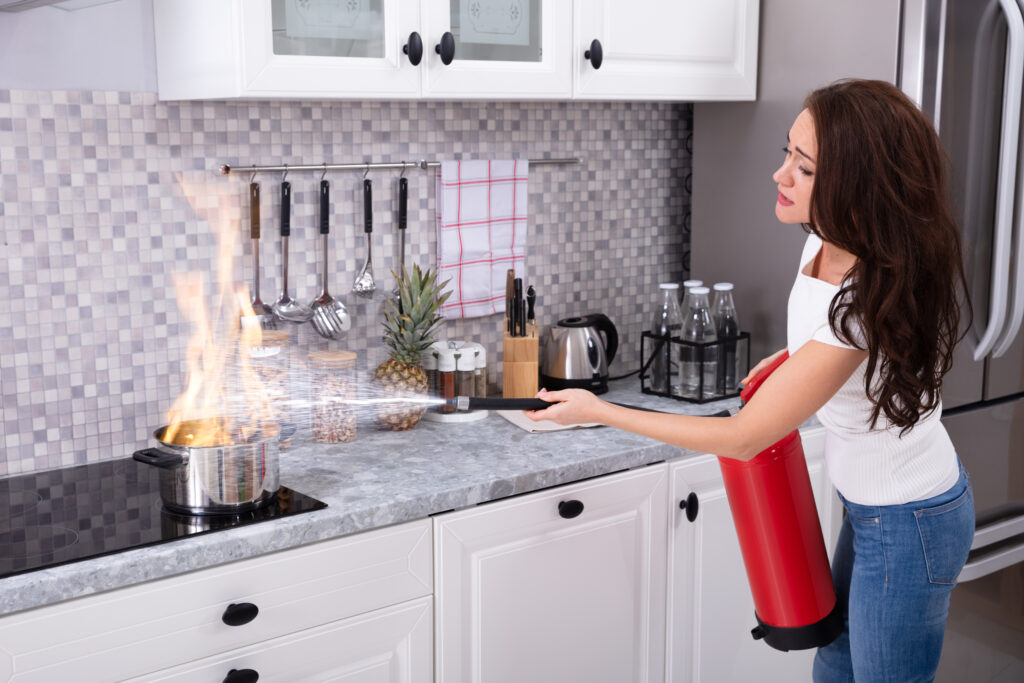
Understanding Fire & Smoke Insurance Claims
Most standard property insurance policies provide coverage for fire and smoke damage, though policy limits and exclusions vary. Professional restoration providers typically assist with:
- Fire damage documentation and photo records
- Equipment moisture and drying records when water is involved
- Soot and smoke contamination assessments
- Itemized content and structural loss documentation
Property owners are generally advised not to discard affected materials until proper professional documentation is completed.
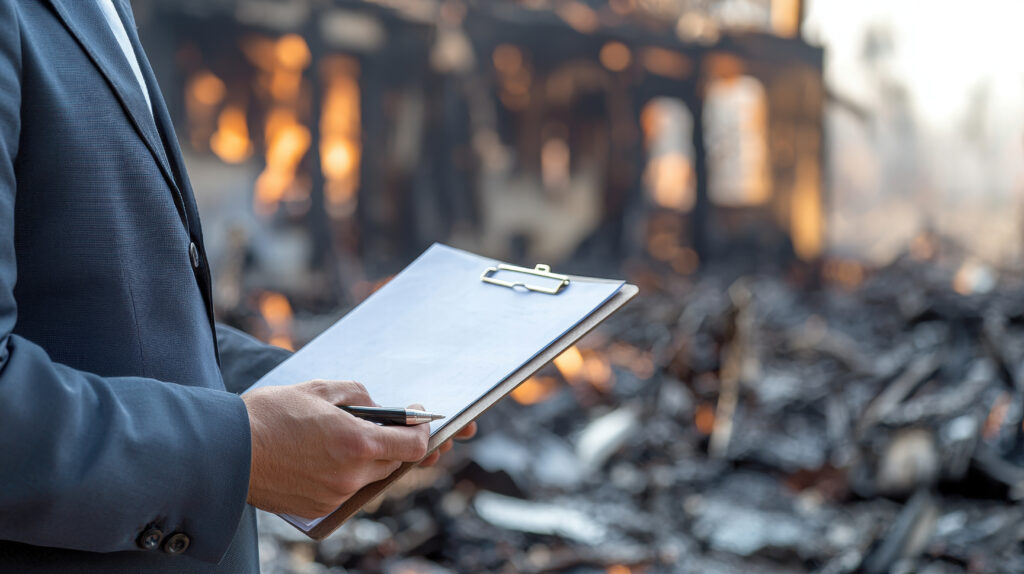
When Professional Fire & Smoke Restoration Is Necessary
Any fire event affecting structural materials, electrical systems, multiple rooms, or HVAC systems should be evaluated by a certified fire and smoke restoration provider. Professional restoration significantly reduces long-term odor, corrosion, and hidden contamination risks.
Educational Trust Statement
This website provides independent educational fire and smoke damage guidance for property owners throughout Pensacola, Escambia County, Perdido Key, Gulf Breeze, Santa Rosa County, Orange Beach, and Baldwin County, Alabama. When professional services are required, assistance should be performed by trained and certified restoration providers serving Northwest Florida.